
When winter arrives in Japan, many newcomers are surprised by the heating situation.
Unlike North America, central heating is rare.
Most homes—especially apartments—are equipped with:
- Air conditioners (heat pumps) for heating and cooling
- Portable heaters such as kerosene fan heaters or electric heaters
As an engineer living in Japan, I often think about why certain heaters feel warmer, which one is more efficient, and how to combine them effectively.
In this post, I’ll explain the science behind each heating method and how to get the most comfort for the lowest energy cost.
The Reality: Japanese Homes Usually Don’t Have Central Heating
Even modern buildings often have:
- One AC per major room
- A kerosene (or gas) fan heater for the living room
- Small electric heaters for bathrooms/entryways
So understanding each heater’s characteristics helps you stay warm without wasting money.
Quick Conclusion (Before We Dive Deeper)
- Air conditioner (heat pump)
→ Most energy-efficient, best for maintaining whole-room temperature - Kerosene / gas fan heater
→ Fastest to feel warm, great for cold floors - Electric heaters
→ Best for spot heating only - Oil heaters
→ Slow but gentle warmth for small sealed rooms
The key is using them according to time and situation, not choosing only one.
Scientific Comparison of Heating Methods

Device Advantages Disadvantages Technical Notes
Air Conditioner (Heat Pump)
• Most energy-efficient (COP 3–6)
• Heats entire room evenly
• No ventilation required • Slow warm-up
• Airflow may feel uncomfortable
• Struggles in drafty rooms Moves heat from outside air. Produces 3–6× more heat than the electricity consumed.
Kerosene Fan Heater
• Strong heat output
• Very fast warm-up
• Warms floor and body directly
• Requires ventilation
• Smell during startup/shutdown
• Needs refueling Burns fuel
→ nearly 100% converted to heat. Excellent for rapid heating.
Electric Heater (Halogen/Carbon/Infrared)
• Instant heat
• Great for spot heating
• Small and simple
• Cannot heat entire room
• High electricity cost
• Can be dangerous if tipped over Provides direct radiant heat to the body. Not suitable for whole-room heating.
Ceramic Fan Heater
• Immediate warm airflow
• Good for small spaces
• Portable
• Energy-hungry
• Not powerful enough for large rooms Electric resistance heater. Fast but weak.
Oil Heater
• Gentle, stable warmth
• Very quiet
• Safer for kids
• Extremely slow warm-up
• Expensive to run
• Weak in large rooms High thermal mass
→ slow to heat and cool. Best in small, sealed rooms.
Why Air Conditioners Are the Most Efficient (Even If They Feel Slow)
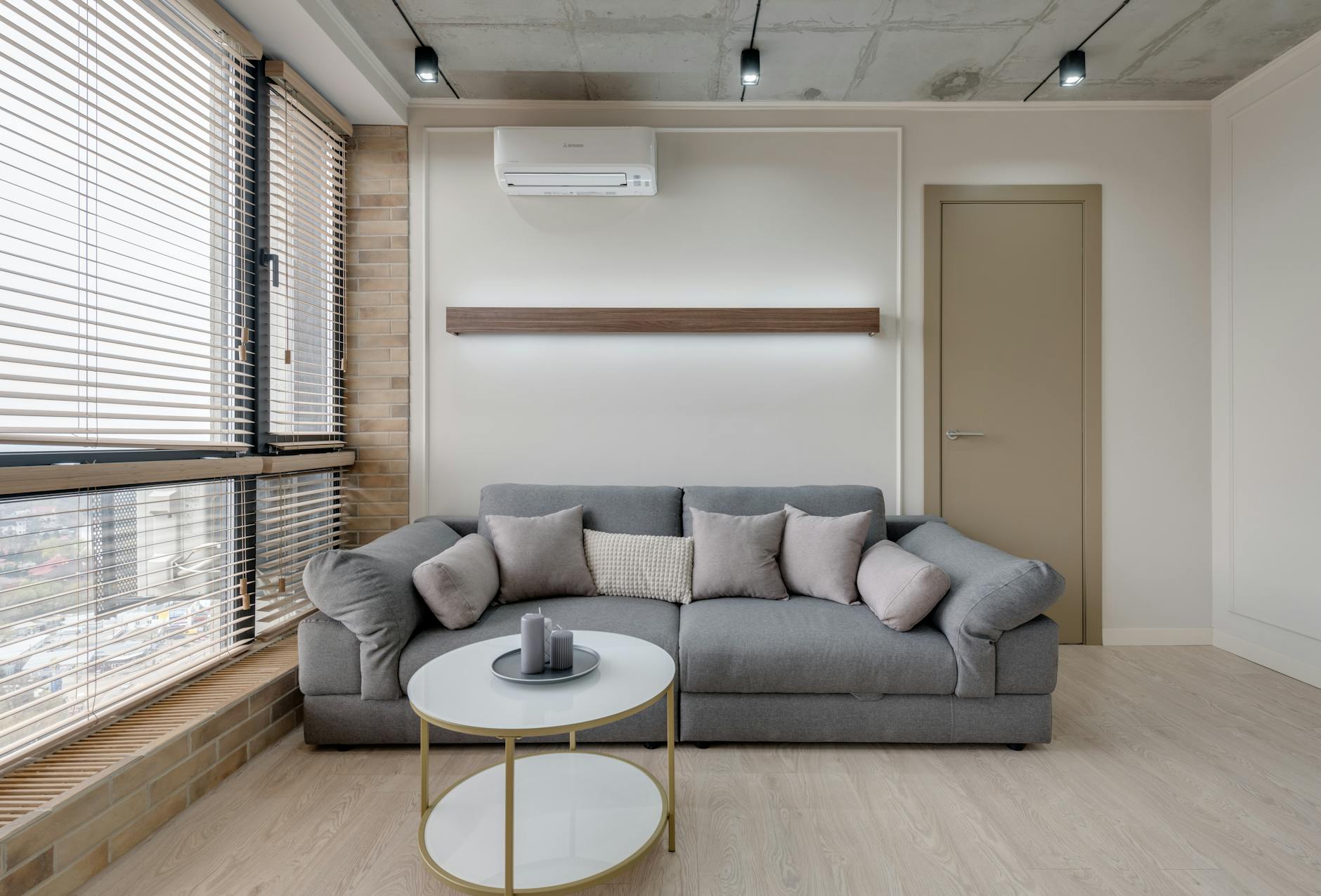
Air conditioners in Japan operate as heat pumps, which move heat instead of creating it.
This allows efficiencies like:
- 1 kW electricity → 3–6 kW heat
This makes ACs the cheapest long-term heating method.
However, they feel slow because:
- Warm air comes from high on the wall
- Heat rises, so floors stay cold
- Convection takes time to stabilize
Thus, ACs are best once the room is warmed up.
Why Kerosene or Gas Fan Heaters Feel Warm Immediately
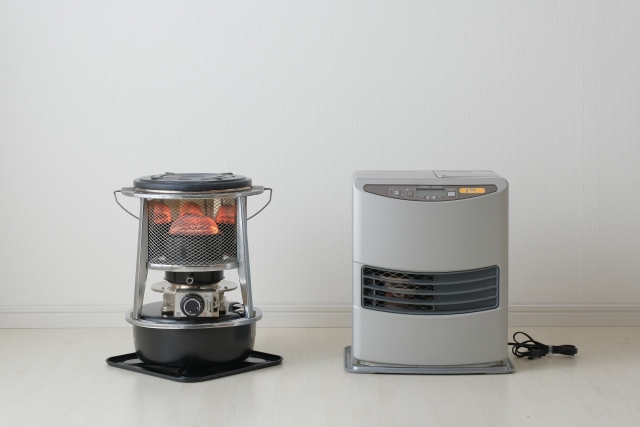
Kerosene / gas fan heaters provide:
- Direct hot airflow toward your body
- Warm air rising from the floor
- High heating power
This delivers instant comfort, especially on cold mornings or when returning home.
The Most Effective Strategy: Use Time-Based Roles
From a technical perspective, the optimal heating method is to combine devices based on timing.
Immediate warmth (0–10 minutes)
Use kerosene or electric heaters.
Maintaining comfortable temperature
Use air conditioner for efficient, steady heating.
Small rooms like bathrooms
Use ceramic or infrared heaters.
Nighttime or baby rooms
Oil heaters provide soft, quiet warmth (but cost more to run).
Your Room Matters: Home Conditions Change the Result
Depending on the Japanese home:
- High ceilings / open stairs → AC must run stronger
- Old drafty apartments → Fan heaters perform better
- New high-insulation homes → AC becomes extremely efficient
- Tatami or cold floors → Floor-level heating feels more comfortable
There’s no one perfect heater—just better choices for each layout.
Example Daily Routine
Here’s a practical routine that works well for many homes:
- Morning: Turn on kerosene fan heater to warm up quickly
- After 10 minutes: Switch to air conditioner to maintain temperature
- Bathroom: Use a small ceramic heater
- Work desk: Use infrared heater for spot warmth
Simple and efficient.
Conclusion: Heat Smart, Not Hard
In Japan, where central heating is uncommon, knowing the strengths of each heater helps you stay warm comfortably and affordably.
Air conditioners = efficient room-wide heating
Fan heaters = strongest immediate warmth
Electric heaters = best for short, localized use
Oil heaters = gentle, steady warmth
Using the right device at the right time gives you the best combination of comfort and cost.
Reference: useful product examples
I’ll show some useful products for heating.
Petroleum Fan Heater: CORONA FH-M2525Y
CORONA FH-M2525Y(W) Petroleum Fan HeaterCORONA is known as one of the most popular manufacturers for Kerosine fan heaters.
The fuel tank is easy to open/close and filling fuel without spill, and the heater has the indicator which notices when fuel gets less.
Plasmacluster Humidifier Ceramic Fan Heater
Plasmacluster Humidifier Ceramic Fan Heater, 1200WPlasmacluster is a brand for air purifiers by SHARP.
Actually one of the cons with fan heaters is drying, but this heater also performs as humidifier,
that prevent from drying room.
Iris Ohyama Kotatsu Table PKC-70S-MD
Iris Ohyama PKC-70S-MD Kotatsu Table, Square, 27.6 inches (70 cm), Top Surface, Casual, Reversible, Black (Wood Grain)Kotatsu is very common heating appliance in Japan.
Even it warms up only limited space – under the table, but comfortable when doing something around the table: having meals, just watching TV, etc.