
Kyoto is often described as a city best explored by trains and buses.
While this is generally true, I recently explored Kyoto by car during late November — right in the peak autumn foliage season.
This article is not a sightseeing guide.
Instead, it focuses on real driving experience, parking realities, and when using a car in Kyoto actually makes sense — especially for visitors considering renting a car in Japan.
Trip Context
- Season: Late November (peak autumn foliage)
- Purpose: Visiting locations related to a JR Central × Haikyuu!! collaboration (stamp rally, now ended)
- Travel Style: Driving between multiple areas in one trip
Places visited:
- Fushimi Inari Shrine
- Kyo Baum (Kyobau-m)
- Hokan-ji (Yasaka Pagoda area)
- Miyakomesse
- Kyoto City KYOCERA Museum of Art
- Shiramine Shrine
- Arashiyama
- Kawaramachi area (Oike underground parking)
Important Note About Transportation Choice
I am Japanese and used Times Car Share, which requires:
- A Japanese driver’s license
- Residency in Japan
For foreign visitors, car sharing services are generally not available.
In most cases, booking a rental car in advance is the practical option.
Details about:
- International driving permits
- Rental companies that accept foreign drivers
- Step-by-step rental procedures in Japan
are explained in a separate article here:
Is Driving in Kyoto a Good Idea?
Short answer: Yes, but only in specific situations.
Driving in Kyoto comes with challenges:
- Narrow roads
- Many one-way streets
- Heavy congestion during peak seasons
- Highly variable parking quality
A car makes sense if:
- You plan to visit multiple areas spread across the city
- You are traveling with family or fixed schedules
- You value flexibility over convenience
For adults-only trips, public transport is often more efficient — especially outside Fushimi Inari and Arashiyama.
Area-by-Area Parking Experience
Fushimi Inari Shrine
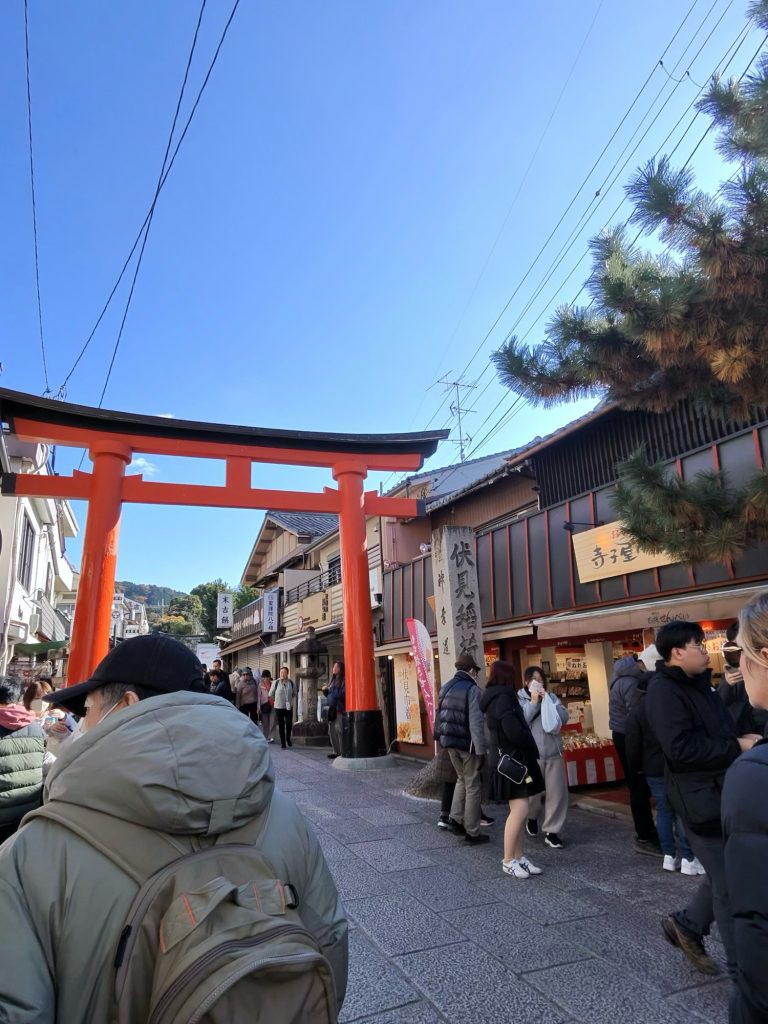
- Surrounding roads are narrow and confusing
- One-way streets make navigation difficult
- Official parking is hard to access
I parked at a nearby coin parking lot instead.
The payment machine was not working, and payment was only possible via a smartphone app.
Key takeaway:
- Be prepared for app-based or cashless parking
- Not ideal for first-time drivers in Kyoto
Hokan-ji (Yasaka Pagoda Area)
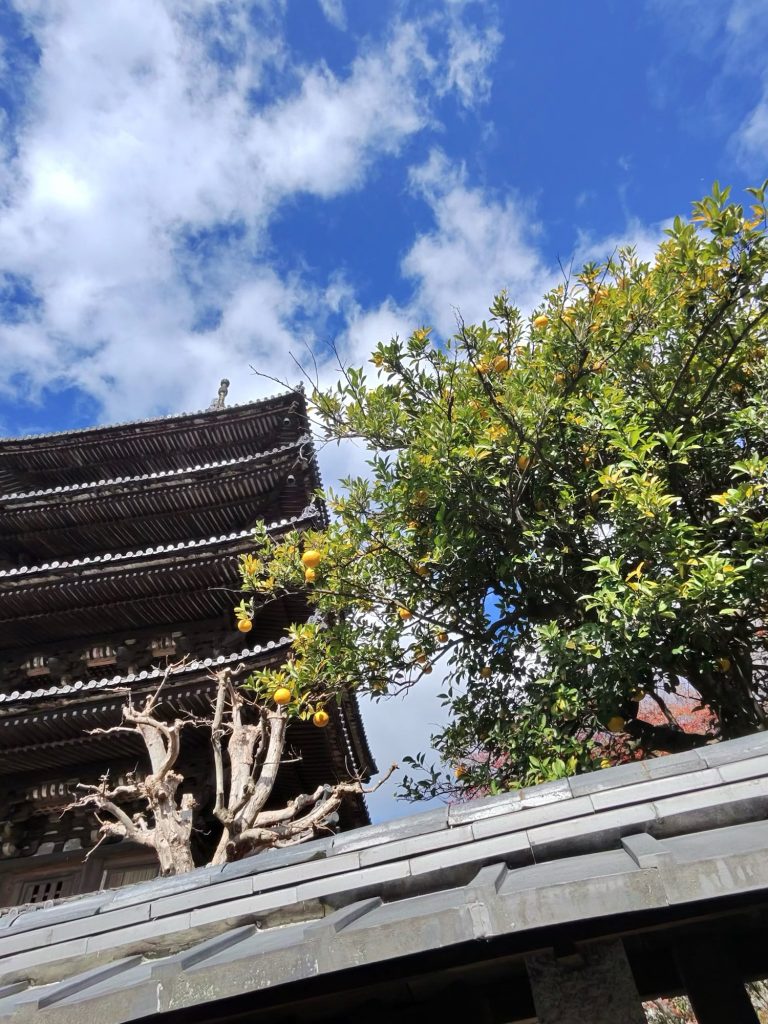
- Direct parking near the site is unrealistic
- I parked near the Kodaiji area and walked
This area works best as:
- Park once
- Walk between multiple attractions
Miyakomesse & Kyoto City KYOCERA Museum of Art
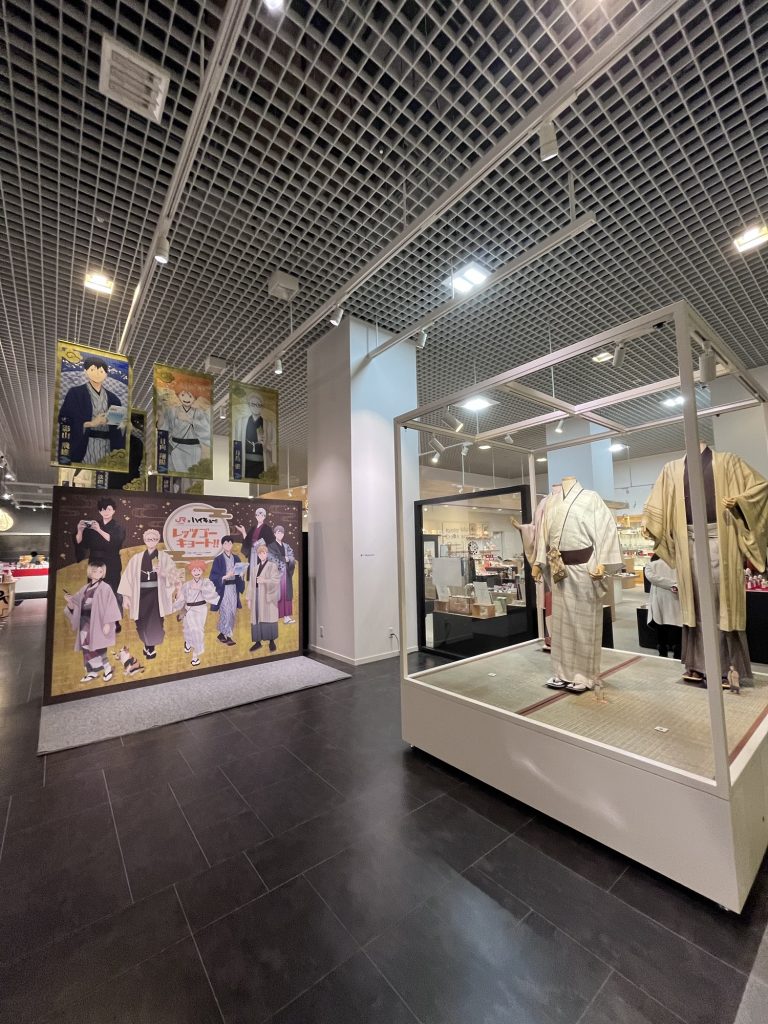
I used the Okazaki Park underground parking.
- Large capacity
- Easy access
- Excellent location
From this parking area, you can walk to:
- Kyoto City Zoo
- Heian Shrine
- Museums and cultural facilities
This is one of the best parking options in Kyoto.
Shiramine Shrine
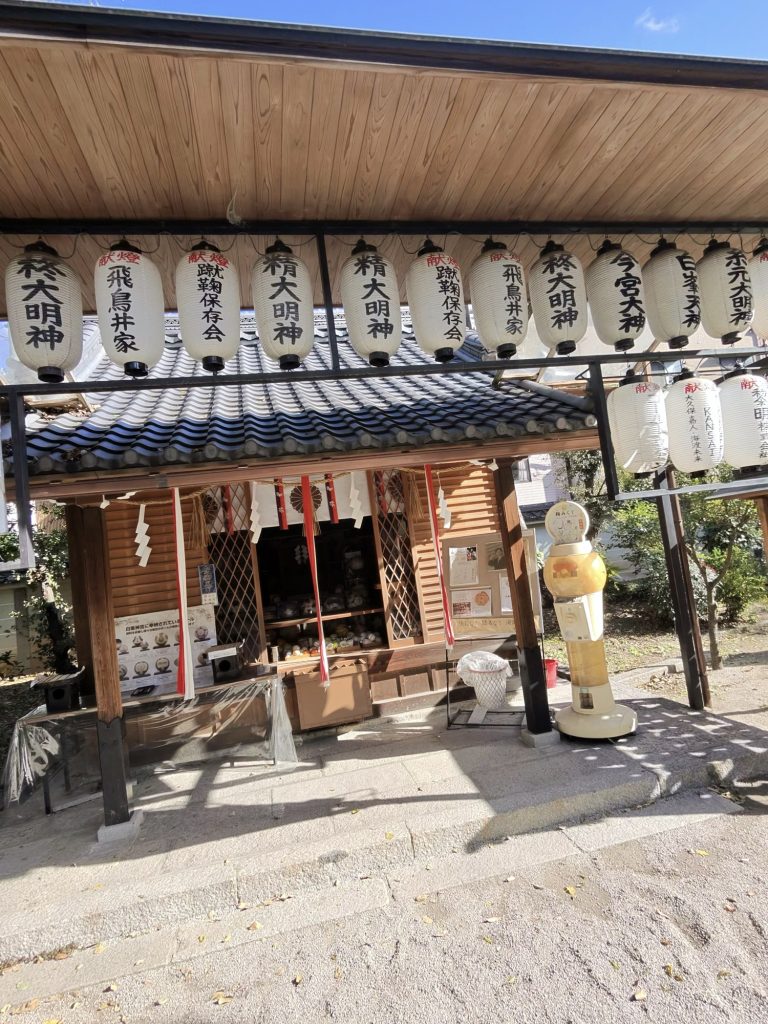
- Parked at a small coin parking lot behind the shrine
- In hindsight, parking near the shrine entrance may have been free
Smaller shrines sometimes provide informal parking, so checking carefully can save time and money.
Kyo Baum (Kyobau-m)
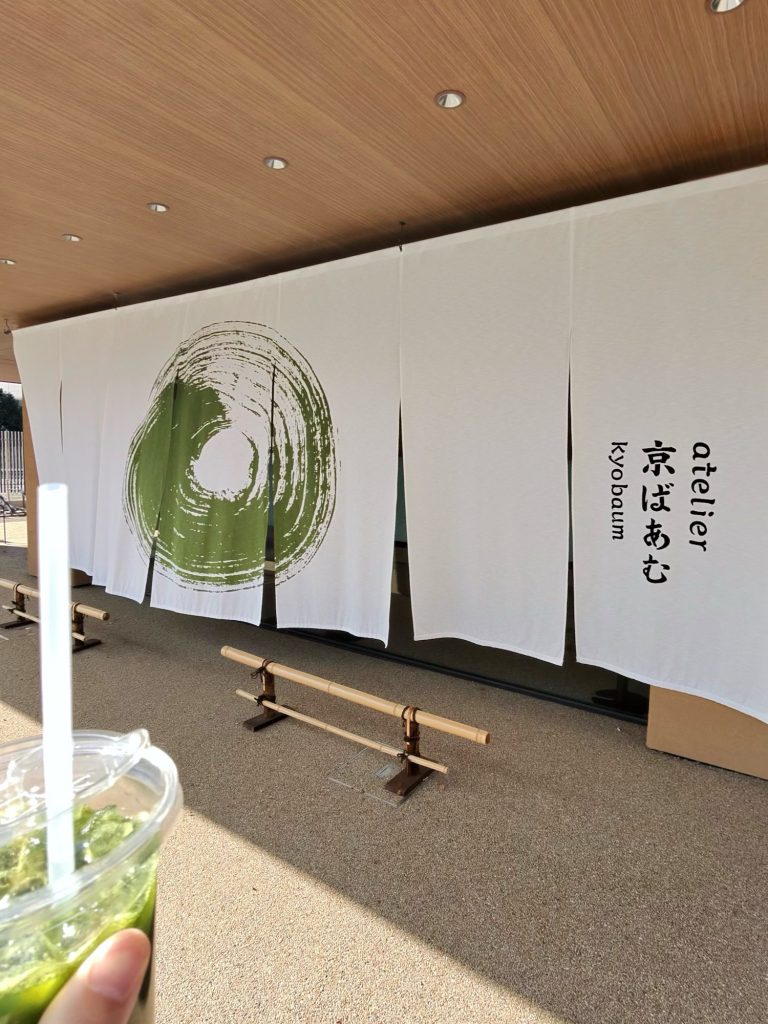
- Parking directly in front of the store
- No special difficulty
Commercial locations outside the city core are generally car-friendly.
Arashiyama
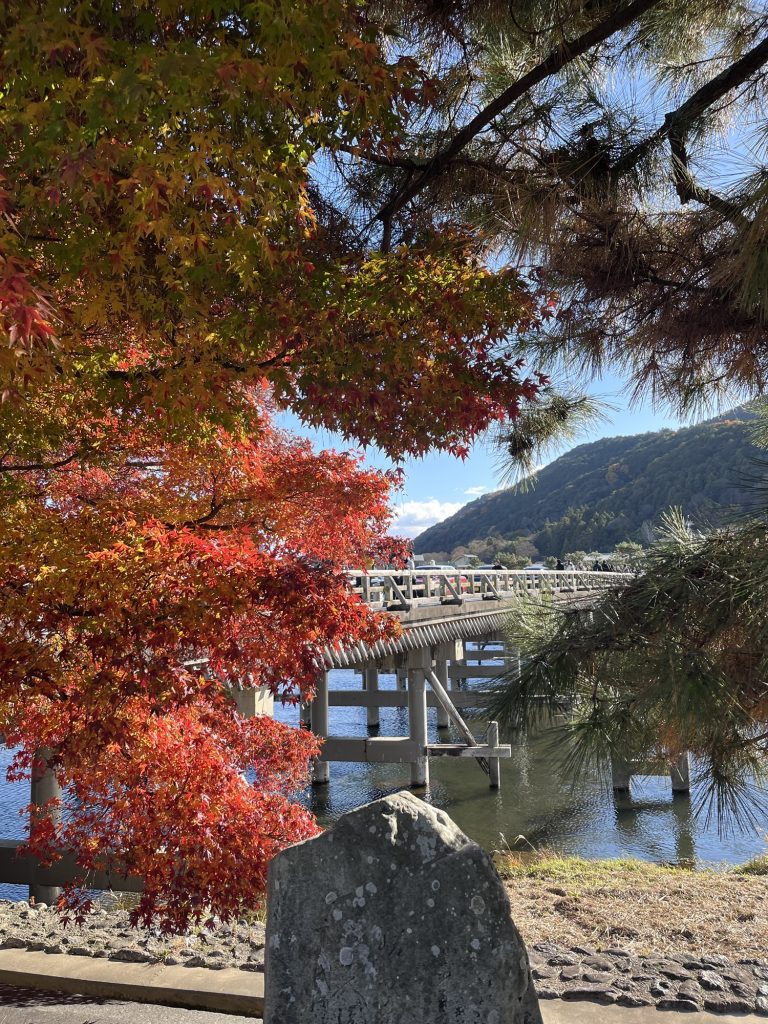
- Extremely congested during autumn
- Heavy traffic throughout the area
I parked slightly north of the main tourist zone and walked.
Exiting the parking lot took time due to traffic flow.
Parking outside the core area often results in faster overall movement.
Kawaramachi Area (Oike Underground Parking)
I used the Oike underground parking to visit shops in Kawaramachi.
- Central
- Safe
- Easy to use
However:
- This area does not require a car
- Public transport is usually more efficient
If you must drive, this parking option is a reasonable and low-risk choice.
When Public Transport Is Better
Based on this trip, if you are traveling with adults only:
- Most areas in central Kyoto
- Museum and shopping districts
- Short-distance sightseeing routes
Public transport offers:
- Shorter transfer distances
- Flat-rate day passes
- Less stress during peak hours
Fushimi Inari and Arashiyama are the main exceptions, depending on timing and crowd levels.
Lessons Learned from Driving in Kyoto
- Parking systems vary widely
App-only or cashless systems are more common than expected. - One good parking base saves time
Okazaki Park is an excellent example of parking once and walking. - Season matters
Driving stress increases significantly during peak autumn.
Final Thoughts
Driving in Kyoto is neither easy nor impossible.
It requires:
- Patience
- Willingness to walk
- Acceptance that a car is a tool, not a shortcut
If you understand these trade-offs, driving can be useful — especially for flexible, multi-area trips.
In a separate article, I also cover how foreign visitors can legally and realistically rent a car in Japan: