
Today, I’d like to share a bit about Japan’s seasonal events — a topic that really shows how culture and nature go hand in hand here.
Japan has four distinct seasons: spring, summer, autumn, and winter. Each one comes with its own traditional events and local customs. Let’s take a look at what each season typically brings!
Spring (March–May): Cherry Blossoms and Hanami
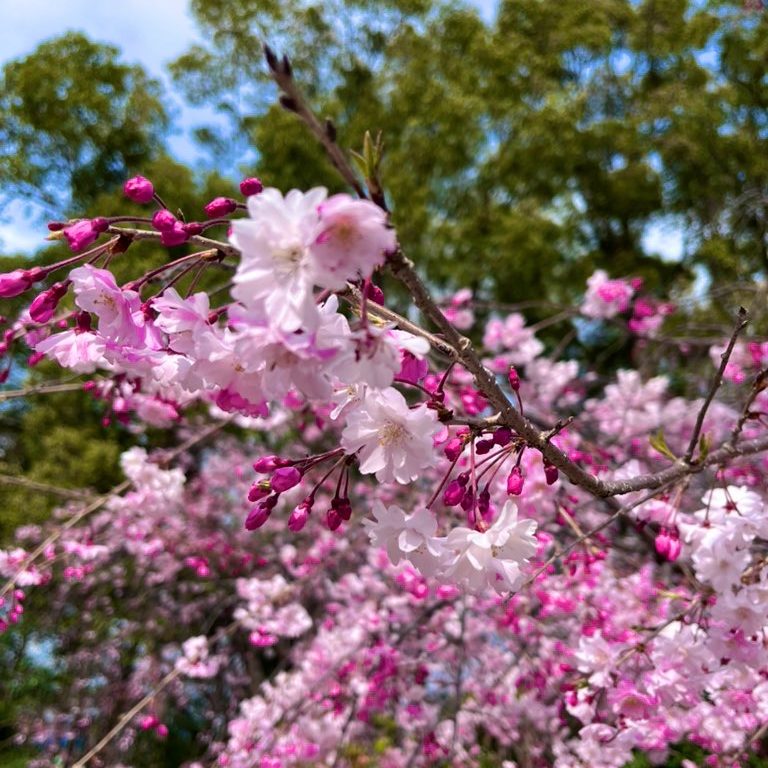
Spring is the season of cherry blossoms, especially from late March to early April. When the sakura trees bloom, people gather in parks to enjoy hanami (flower viewing) — often with food, drinks, and good company.
One surprising thing for many visitors is how common it is in Japan to drink alcohol outdoors during these hanami picnics. While it might feel a bit wild by some countries’ standards, it’s quite normal here — even coworkers go out together to celebrate!
You’ll also find seasonal festivals, temporary train services to blossom spots, and a pleasant climate that’s neither too hot nor too cold. It’s truly one of the best times to visit Japan.
Summer (June–August): Rainy Days and Fireworks
Early summer (especially June) is known for the rainy season, or tsuyu. It’s humid and wet — not ideal for sightseeing, but some areas offer special experiences like firefly viewing in the evenings.
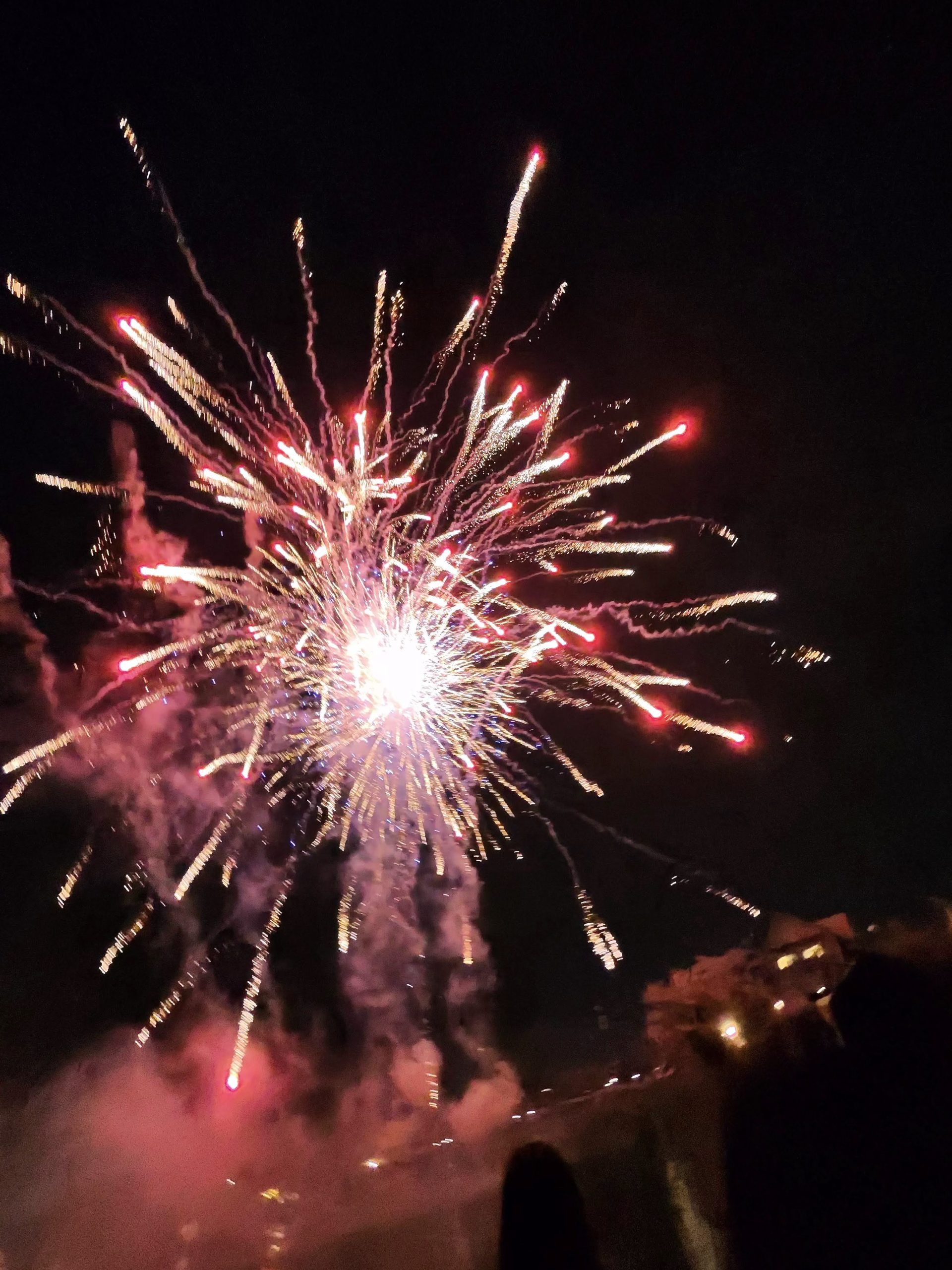
July and August are when summer really kicks in. This is festival season, full of matsuri (traditional festivals) and fireworks displays across the country.
Some of the most famous summer events include:
- 🎆 Gion Matsuri in Kyoto
- 🎇 Nebuta Matsuri in Aomori
- 🍧 Local shrine festivals with street food and games
These festivals bring a lot of color and energy to the summer months!
Autumn (September–November): Cool Weather and Changing Leaves
After the intense summer heat, autumn is a refreshing change. September and early October are often a bit quieter in terms of tourism — making it a great time to travel.
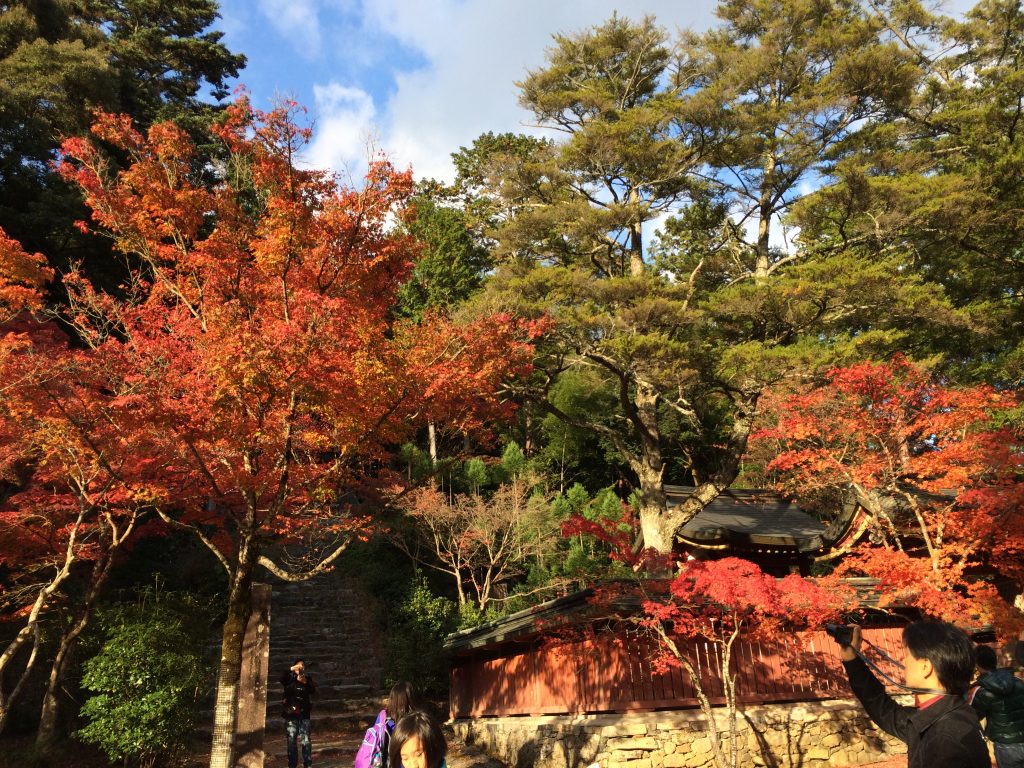
Later in autumn, especially in November, Japan’s fall foliage season begins. People travel to famous spots like Kyoto, Nikko, and the Japanese Alps to see the colorful leaves.
Just keep in mind that Japan’s major holiday seasons — Golden Week in early May and Obon in mid-August — tend to be very crowded. Avoiding these times makes for a more relaxing trip.
Winter and New Year (December–February): Holidays and Tradition
Unlike the West, Christmas isn’t a major holiday in Japan, and Halloween is still low-key outside of major cities. But things pick up at the end of December.
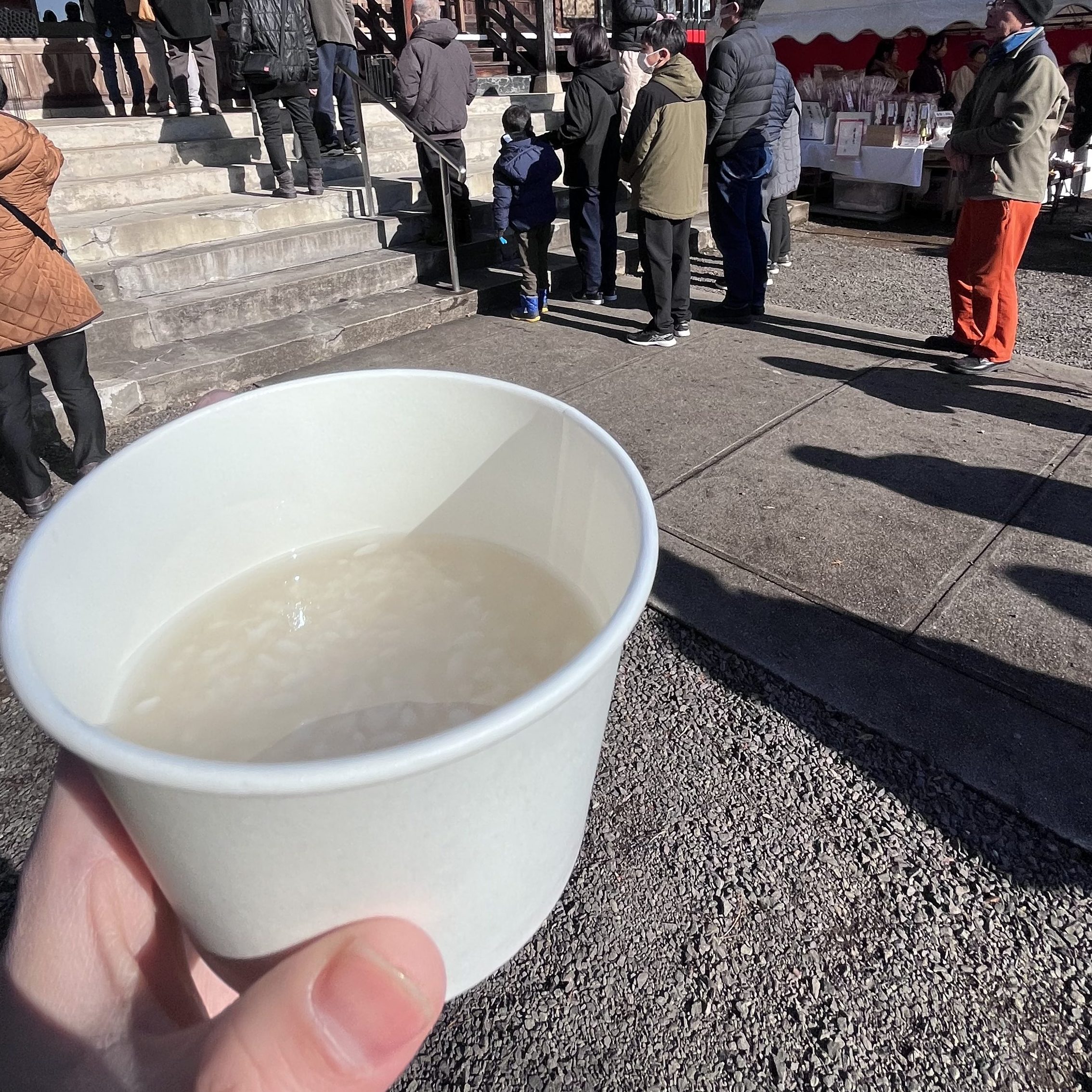
The most important holiday is New Year (Shogatsu). Families visit shrines for hatsumode (the first shrine visit of the year), eat traditional foods like mochi, and spend quiet time together.
While Japan doesn’t shut down entirely for long winter breaks, you’ll feel a unique calm and spiritual mood in the first week of January.
Best Times to Visit?
If you want to avoid large crowds and still enjoy good weather, the best travel windows are usually:
- Mid to late May (after Golden Week)
- September to early October (before fall foliage peak)
University students may still be on break, but most tourists aren’t around, making it a comfortable and relaxed time to explore.
Whether you’re planning your first trip or reflecting on past travels, Japan’s seasonal rhythm offers something special year-round.