
If you visit or live in Japan, you may notice something strange around the end of December.
While many countries treat Christmas as the biggest family event of the year, in Japan it is New Year that truly matters.
Understanding how Japanese people spend this time will save you from confusion, frustration, and even hunger.
Why New Year Is More Important Than Christmas in Japan
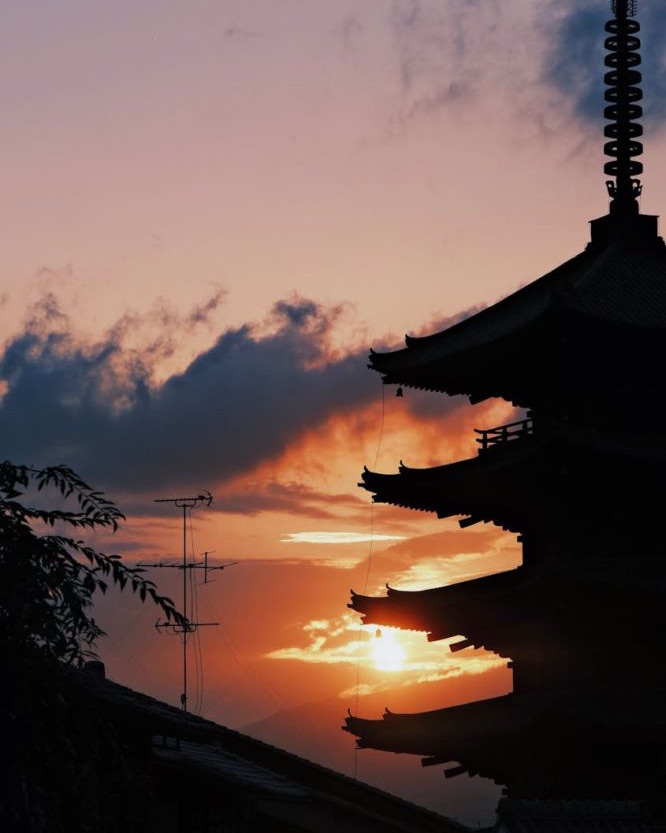
Christmas in Japan is mostly for couples and friends. It is commercial and romantic, not religious.
New Year, on the other hand, is when people:
- Return to their hometowns
- Spend time with parents and grandparents
- Reset their lives for the coming year
For many Japanese people, January 1st is more important than their own birthday.
What Happens on January 1st in Japan
Hatsu-moude: The First Shrine Visit
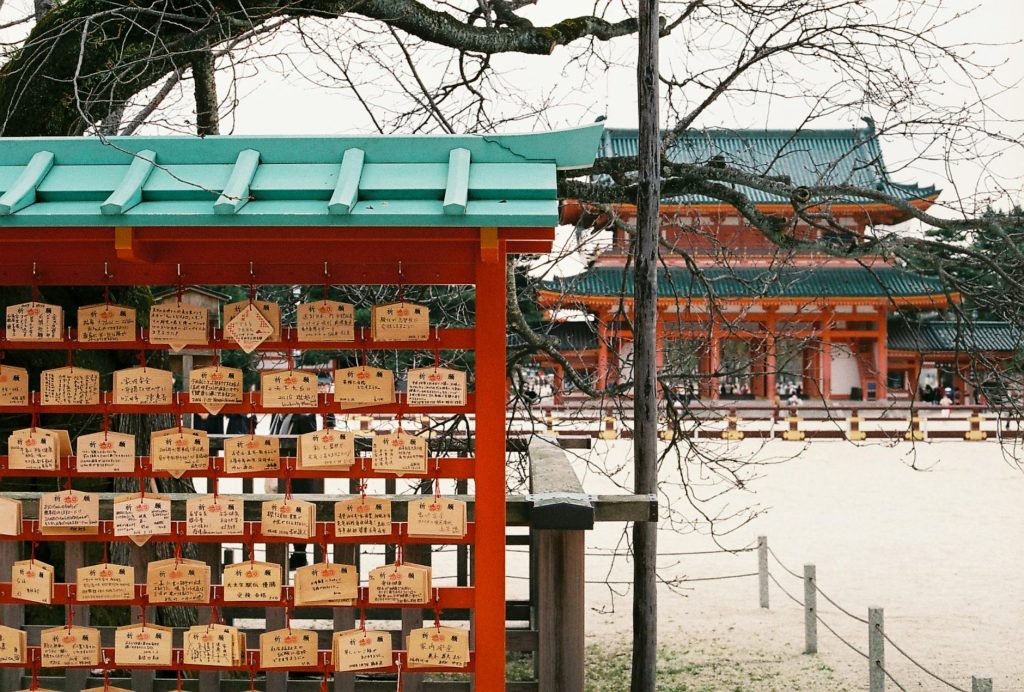
Just after midnight on December 31st, people line up at shrines and temples for Hatsu-moude, the first prayer of the year.
They pray for health, family, and success, buy lucky charms, and draw fortune slips.
Osechi: Special New Year Food
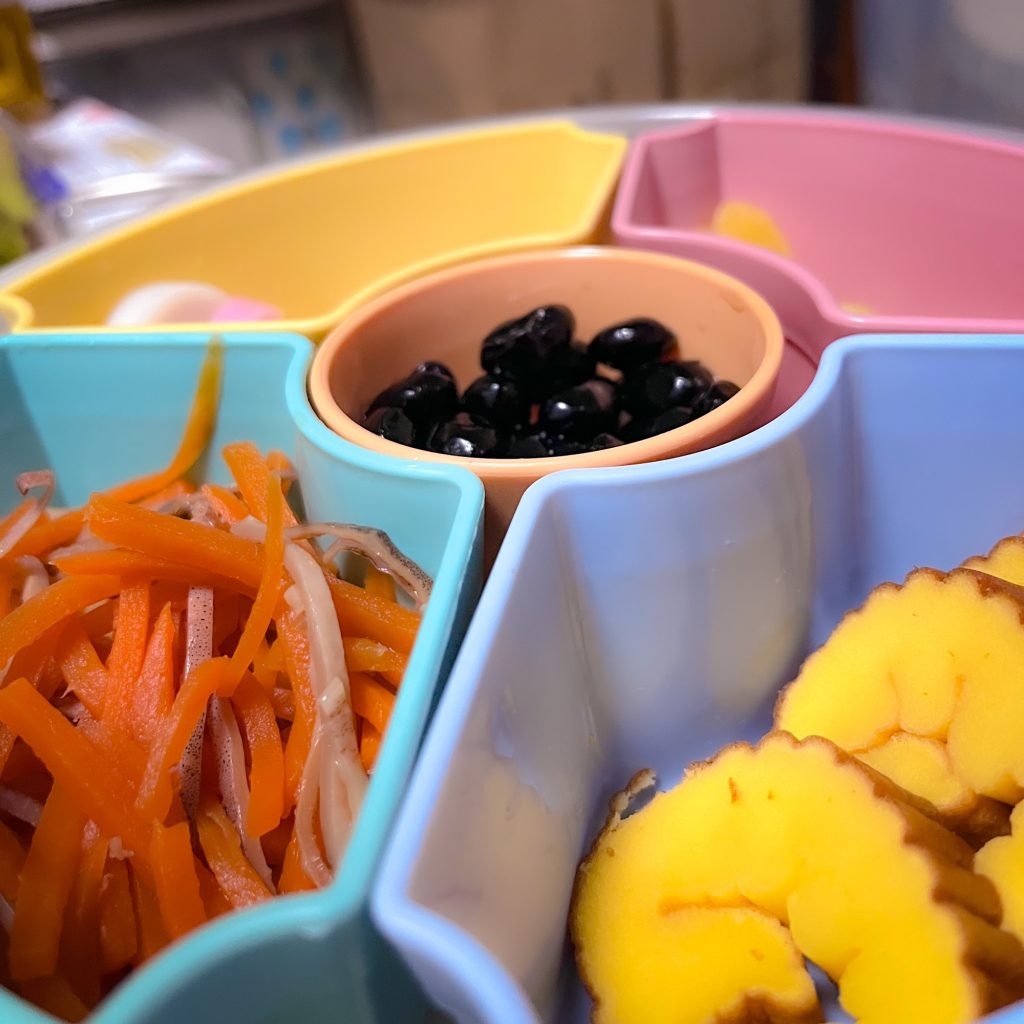
Families eat Osechi Ryori, a collection of traditional dishes packed into beautiful boxes.
Each food has a meaning:
- Sweet black beans: good health
- Rolled omelet: learning and culture
- Fish eggs: prosperity of descendants
It looks fancy, but it is usually eaten cold and prepared in advance.
Otoshidama: Real Cash for Kids
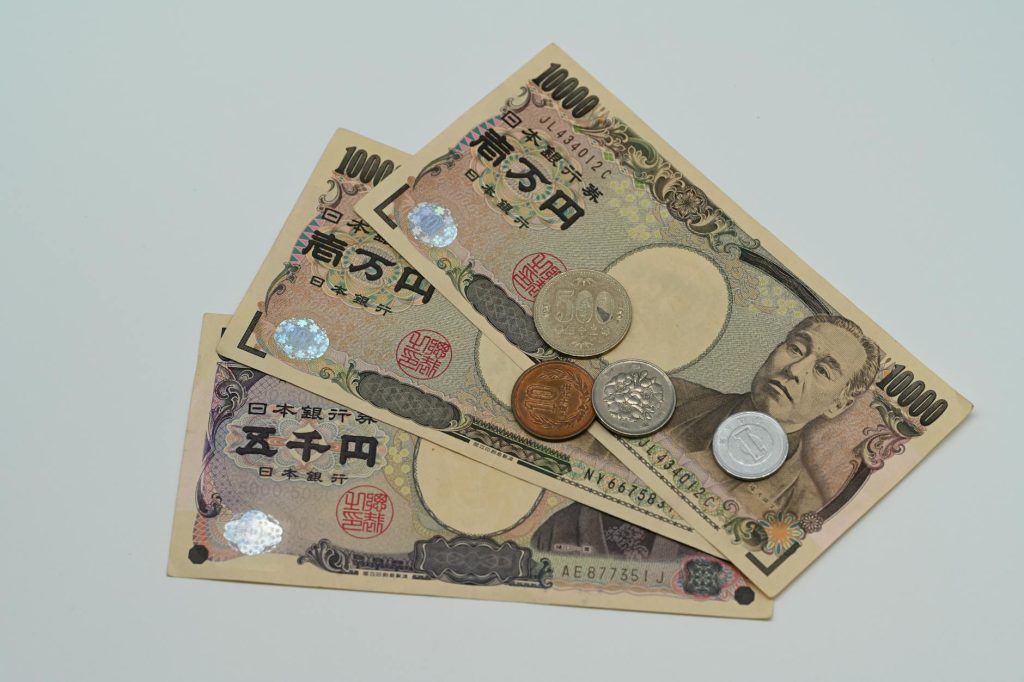
Children receive money in small envelopes from parents and relatives.
This is not symbolic — it is real cash, and kids take it very seriously.
Things That Shock Foreigners
New Year in Japan is peaceful, but it can also be inconvenient.
- Most restaurants close from January 1st to 3rd
- Banks, clinics, and even city offices stop working
- Supermarkets run out of food before New Year’s Eve
During this period, convenience stores become the only reliable place to buy meals.
But Here’s Something Even More Surprising
New Year food is not the same across Japan.
Every region has its own local traditions that you will never find in travel guidebooks.
A Fukushima Example: Ika Ninjin
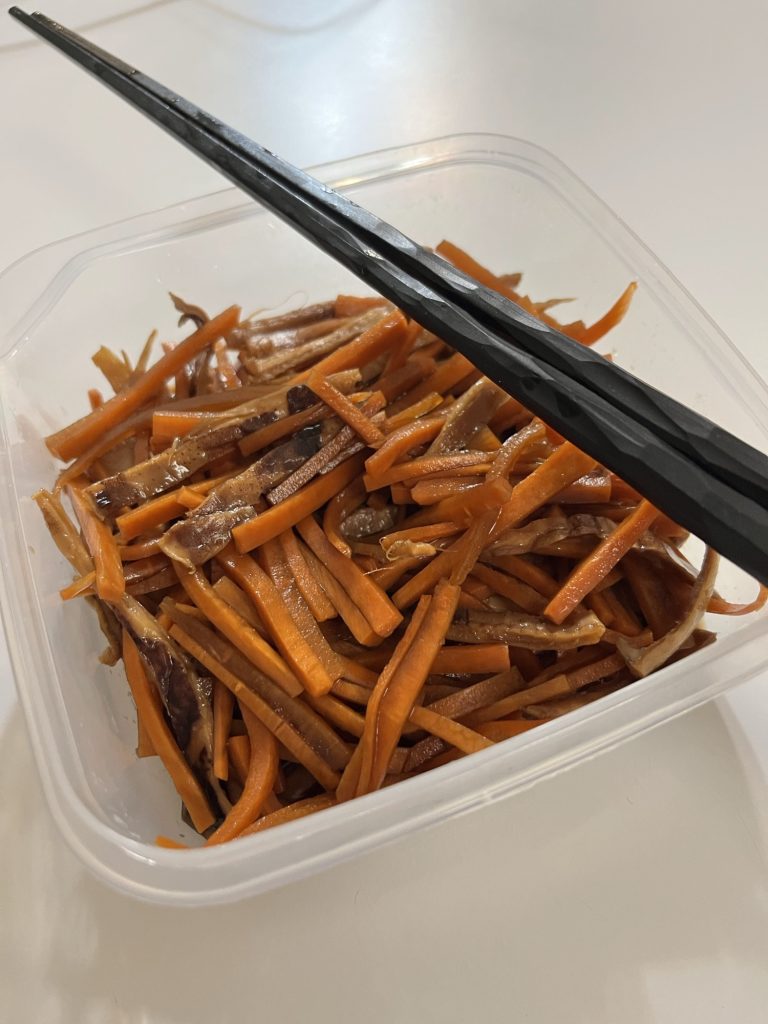
While staying in Fukushima, you may find a local New Year food called Ika Ninjin.
It is a simple dish made from:
- Dried squid cut into thin strips
- Carrots cut into matchsticks
- Soy sauce-based marinade
Locals eat it as a side dish or with alcohol, and it is sold in almost every supermarket during winter.
What surprised me most was that:
- Many Japanese people outside Fukushima have never heard of it
- Every household has a slightly different recipe
This is the kind of culture you only discover when you spend real time in the countryside.
Why You Will Never Understand Japan Without Local Culture
Guidebooks explain famous shrines and popular festivals.
They do not tell you what people actually eat at their family table.
If you truly want to understand Japan, do not just follow tourist routes.
Visit local supermarkets, talk to neighbors, and try the food that does not even have an English name.
That is where the real Japan begins.