
Today, I want to talk a bit about language—particularly from the perspective of raising a child who’s been exposed to more than one from an early age.
Our case – moved to the US at 2yo , returned at 5yo
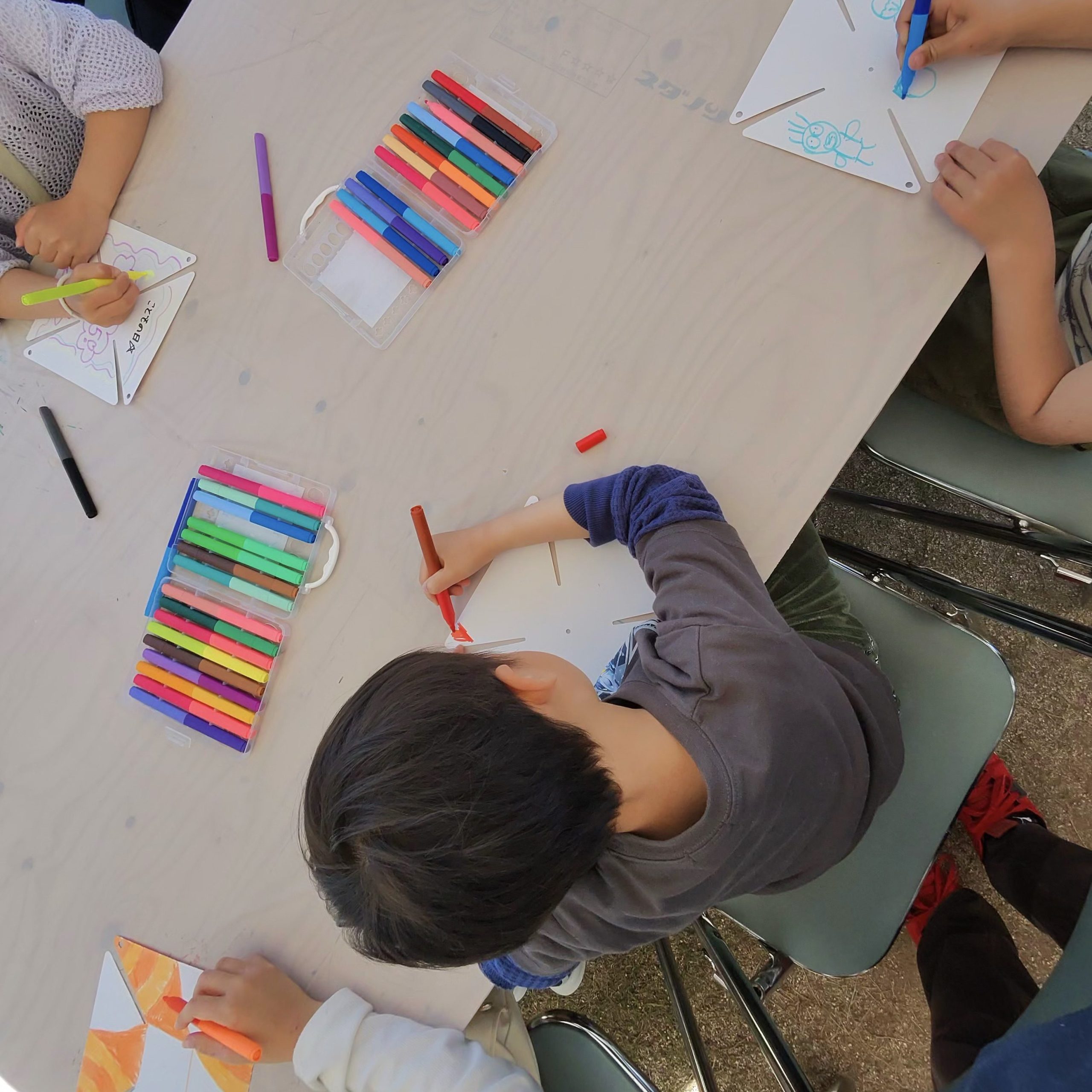
As I mentioned in my Japanese blog, our family moved to the U.S. for work when my son was around two years old—right at the point when he was just starting to pick up Japanese.
Soon after arriving in Michigan, we enrolled him in a local preschool where English became his primary language of communication.
How to deal with each language
Now that we’ve moved back to Japan and plan to stay here long-term, it’s become clear that he’ll need to strengthen his Japanese skills for school and everyday life.
Japanese, as many of you may know, is a complex language. It has multiple writing systems, subtle contextual nuances, and a wide vocabulary that takes years to master—even for native speakers.
At the same time, I don’t want him to lose his English ability either. It’s not easy to balance the two languages, and honestly, I don’t think there’s a perfect answer. But one approach I’ve come across in research suggests that, for children, it’s most effective to first gain a solid foundation in one language—usually their native language—before diving deeply into another.
So in our case, the goal for now is to maintain his English exposure casually, through play and media, while helping him actively build his Japanese through school and home routines. Later on, we can revisit structured English learning once his primary language skills are more grounded.
For parents moving to Japan with young kids, I think this is something worth considering. The language your child will ultimately prioritize may depend on how long you stay, what their educational environment looks like, and what language they’re using to develop cognitive skills.
Make a firm foundation with “mother tongue“
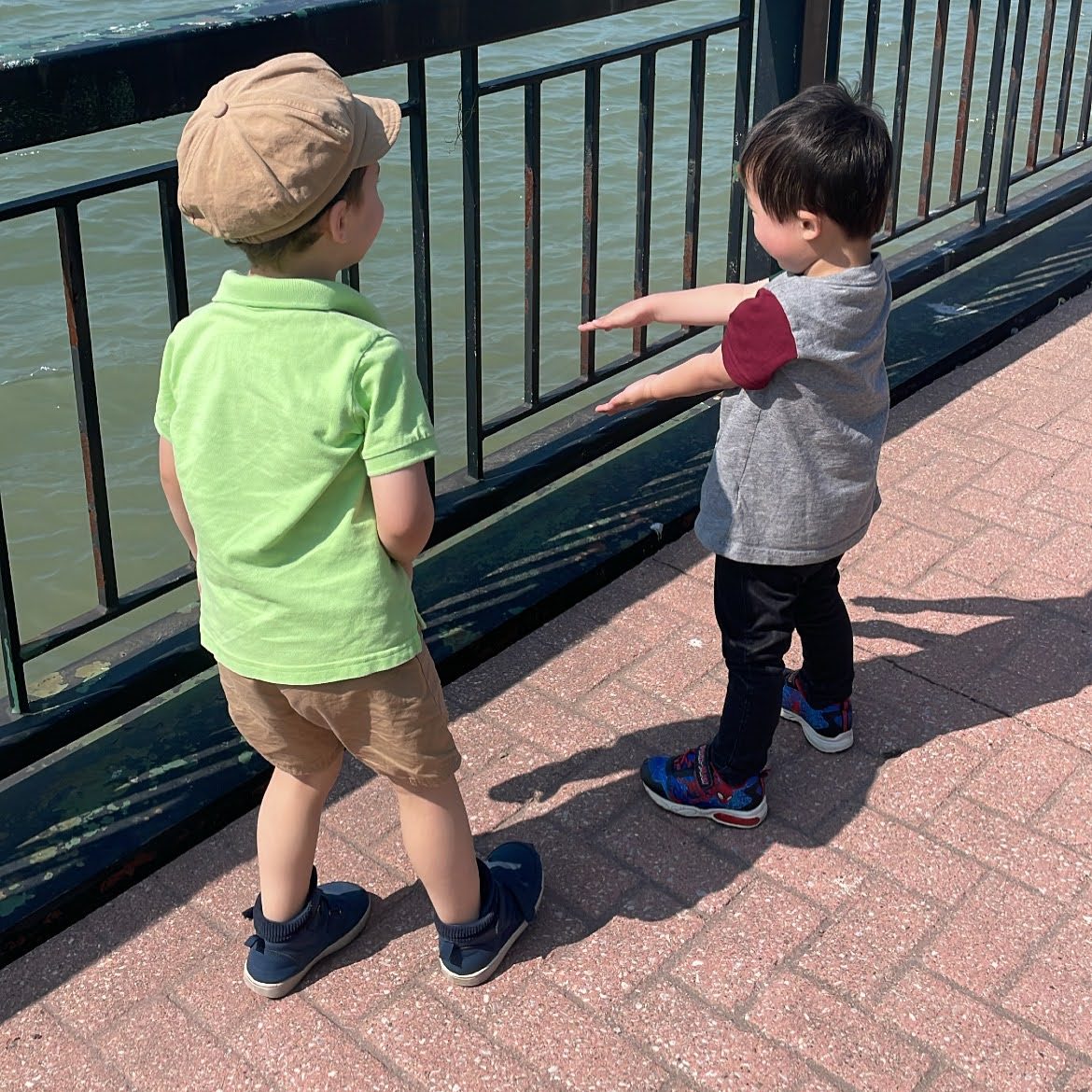
Without a firm foundation in any one language, children might struggle to express complex thoughts, no matter how many languages they can “speak.” That’s why it’s often said: better to think deeply in one language than to speak several shallowly.
From my perspective as a parent, I do think raising a bilingual (or trilingual!) child is a wonderful goal. But I also believe it’s important to give them the time and space to fully master one language first—so they can build that deep, structured way of thinking that becomes the base for all future learning.
In the end, languages are tools. And tools are only as effective as the hand that wields them.